
A new investigation by AI detection company CopyLeaks has revealed a rise in TikTok ads using AI-generated deepfakes of celebrities to promote scams and misleading services.
key takeaways
- Deepfake scams are becoming mainstream on social media platforms like TikTok
- Scammers impersonate celebrities like Taylor Swift, Rihanna, Jennifer Aniston, Kim Kardashian and Emma Watson to build trust with users
- Scams often start with engagement, not immediate payment request
- Users are lured to platforms where fraud occurs
according to reportScammers are reusing real interviews and public footage, then manipulating them with AI to create credible fake endorsements. These videos often promote fake “money making” programs or features like “TikTok Pay”, which redirect users to third-party websites that collect personal data.
“Ads typically promote rewards programs where users can watch TikTok content and get rewarded,” the researchers said. “In one ad, a fake Rihanna says, ‘You literally just watch the content and give your opinion.’ In another, a fake Taylor Swift claims she’s got a feature called TikTok Pay, saying, ‘If the page opens for you, don’t think too much about it,’ and urging users to sign up.
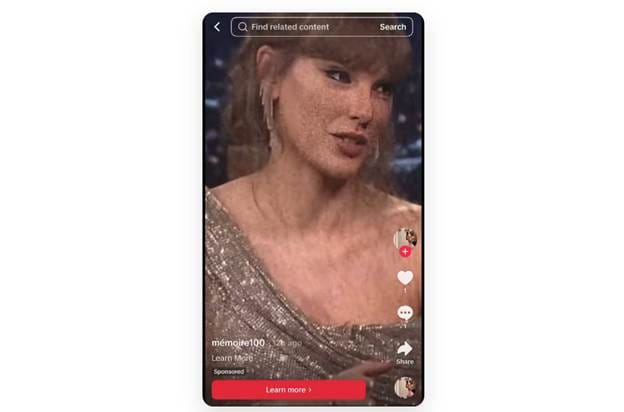
Some ads also mimic TikTok branding to appear legitimate, making it harder for people to differentiate scams from genuine platform features.
Celebrities appear in interviews – on red carpets, podcasts, or talk shows – where the actual footage has been reused and manipulated using AI.
In many advertisements, TikTok’s official branding is also used when the ad is clicked. However, the user is redirected to a third-party service that appears to be vibe-coded, even including Loveable branding on the page and in the URL. These pages then prompt users to enter their name and personal information.
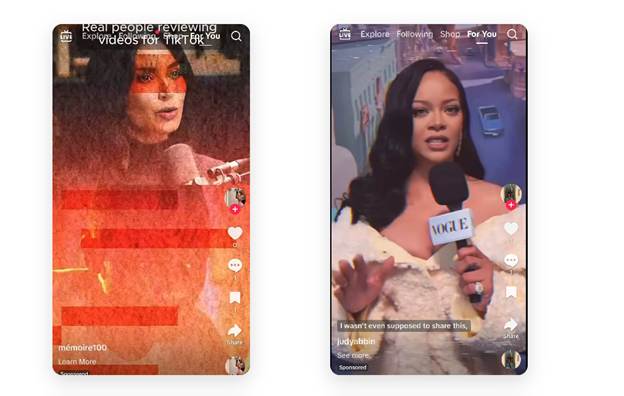
Additionally, researchers identified entire networks promoting deepfake creation tools and tutorials, which shows how accessible this technology has become.
Bitdefender has been tracking this trend for years
While this TikTok investigation sheds light on the latest wave, the pattern itself is not new.
Bitdefender researchers have documented how deepfakes are used on social media platforms to deceive netizens.
In previous analyzes of healthcare scams, we have highlighted how AI is being used to promote so-called miracle cures and sponsored content that appears legitimate but leads to scams.
Another investigation revealed how deepfakes are used in “stream-jacking” attacks on YouTube, where hijacked accounts broadcast fake celebrity endorsements to promote crypto scams.
And in a comprehensive look at social media fraud, we documented how audio deepfakes and celebrity impersonations are promoting free scams and fake investment opportunities on a variety of platforms.
How to spot deepfake scam videos
Pay attention to small physical details
Pay attention to eye movement, facial symmetry, and shape of hands. If something seems a little “off”, pause the video and check for inconsistencies.
listen as carefully as you look
Notice if the voice sounds flat, robotic, or slightly out of sync with the lip movements. Strange pauses, background noise that changes unnaturally, or subtle distortions can all indicate manipulation.
look at settings
Deepfakes don’t just affect faces. The background may flicker, distort, or appear inconsistent, especially around the edges. Some scam videos try to hide these flaws with filters, so it’s worth asking a simple question: Does this situation really make sense for that celebrity?
Always check with reliable sources
If a video shows a celebrity promoting something unusual, take a moment to verify it. Check their official account, recent interviews or reliable news outlets.
Also watch for these red flags
If the celebrity in the video or advertisement promises you easy money, gifts, or special access, and asks you to step off the platform, it is a scam. Which celebrity contacts random people on social media with offers that are too good-to-be true?
If you’re still unsure, you can always have a quick chat Bitdefender Scamio And get a second opinion before clicking, replying or sharing anything. Scamio works like an AI-powered assistant trained to spot scams. You can paste a suspicious message, insert a link, upload a screenshot, or even share a QR code, and it will analyze it in seconds and tell you whether it seems safe or risky.