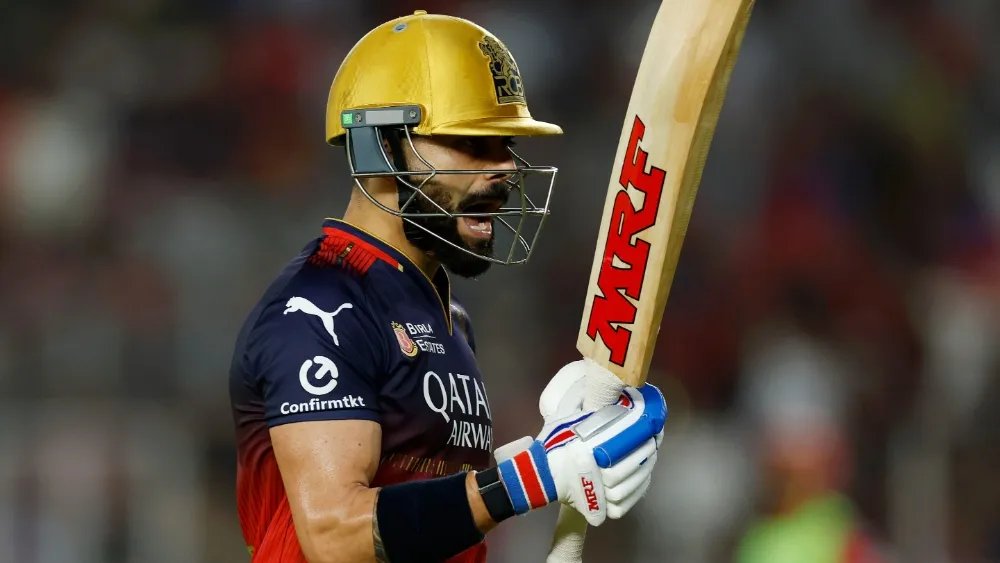
The Indian Premier League remains the only Asia Pacific sports property priced at the top of the global market, according to new research from Media Partners Asia, which expects the region’s sports rights fee growth to slow to 1%-2% per annum by 2030, down from around 10% per annum since 2021.
The MPA said the cricket league earns about $12.4 million per match, in line with the Premier League. Korea’s KBO baseball league makes about $100,000. India is responsible for more than half of the increase in rights fees in the region since 2021, and 64% of all fees are now concentrated in the 12 most valuable rights packages.
The figures come from “APAC’s Sports Economy and Where Value Goes Next,” an MPA report covering 14 markets, which is based on the company’s tracking of more than 150 rights contracts across properties and markets. The MPA has published a summary of that report along with the findings of “APAC Sports Fandom: The Consumer Voice”, a collaborative study by MPA’s data and analytics arm, AmpD, which surveyed 10,249 fans in six markets. The summary coincides with the second edition of MPA’s Sports Edge Forum, which was held at the METT in Singapore ahead of the city’s Formula 1 Grand Prix weekend.
The MPA projects the region’s professional sports economy to be worth $16.2 billion by 2026. Media rights is the largest category, worth $6.1 billion, followed by sponsorships at $4.7 billion, ticketing and hospitality at $3.9 billion and merchandise at $1.5 billion.
Rights fees increased 58% over five years to $5.7 billion. The broader sports economy is projected to grow by about 5% annually, reaching approximately $19.5 billion by 2030, with the majority of the raise coming from sponsorships and ticket sales.
Streaming services paid 50% of rights fees this year, up from 36% in 2021. The MPA said streamers now set the pricing in most markets. Yet, according to MPA, only 3% of lapsed fans who returned to the game did so because it appeared on a platform they were already using.
“This is not the end of the sporting boom in the Asia Pacific region. This is the end of the easy part,” said MPA CEO and Executive Director Vivek Couto.
Couto said the region generates about $4 in professional sports revenue per capita, compared to more than $200 in North America. He said, “That gap is not a limit. It’s headroom. The next dollars will come from seats, sponsors, local stars and the women’s game, and it will go to the rights-holders who know their fans by name.”
The MPA estimates that the price of sponsorship could increase by 6%-7% per year through 2030 based on audience data. In China, India, Korea and Southeast Asia, sponsorship spending as a share of GDP lags benchmarks around the world. If those markets made up half of that shortfall, the region would gain about $5.4 billion a year, the company said.
The report includes Japan, women’s competitions and domestic stars as areas attracting competitive bids. Japan’s subscription streaming market, worth $6.4 billion, is six times larger than its sports rights fees. In India, the 2025 Women’s Cricket World Cup final attracted 185 million digital viewers, and the MPA expects to bid for the women’s properties with the 2028 rights cycle of the WPL.
Domestic properties are already drawing crowds. KBO attendance reached 12.3 million in 2025, a record, up from 7.3 million in 2019, while more than 25 million viewers in Japan watched the opening game of Major League Baseball’s 2025 Tokyo Series. The Nippon-Ham Fighters generated revenue 59% above 2019 levels in their first year as owners of ES Con Field.
The MPA forecasts approximately $14 billion of investment and ownership changes in APAC sports since 2021, the bulk of which is in IPL franchises and venues. The company argued that the spending had so far secured scarce assets without generating cash flows.
Empedi fan research conducted online and complemented by 1,029 video interviews in Indonesia, Japan, Korea, the Philippines, Thailand and Australia, found that personal connection is the most common route into sports for new fans. About 35% of respondents who picked up a sport for the first time were introduced to it by someone they knew, while 14% of respondents entered through a major program. And 63% of fans who spent money on sports last year did not purchase a subscription.
Creators also attract fans’ attention. Independent creators capture 42%–43% of sports viewing hours on YouTube in Korea and Thailand, while league and club channels take 10%–19%. And 84% of fans who track players, pundits or creators spent time on sports in the past year, compared to 43% of fans who don’t track anyone.
“Fans follow players from their country, their club and home, and global leagues win fans here through local stars,” said Divya T, head of insights at AMPD and MPA, who presented fan research at the forum.
More than 30 speakers are taking part in the day-long event, including Derek Chang, Chairman and CEO of Liberty Media, LaLiga President Javier Tebas, Uday Shankar, Vice President of GioStar, Alex Green, Managing Director of Prime Video Sports International, Julie Choi, CEO of Twing, and Peter Bayer, CEO of Visa Cash App Racing Bulls F1 Team, as well as executives from the Bundesliga, J.League, Netflix and YouTube.