Frequently Asked Questions
How do facelifting devices work?
“Depending on the technology, home devices can help improve firmness, facial contours, and overall skin quality, especially with consistent use,” says Dr. Engelman. “I see them as a complement to professional treatments rather than a replacement, and I always remind patients that subtle, cumulative improvements are the goal,” she says. She adds, “In-office treatments can deliver energy more deeply and intensely to stimulate collagen remodeling and eliminate skin laxity, whereas at-home devices are designed to work more gently.”
What is microcurrent and what does it do?
Microcurrent therapy is a non-invasive cosmetic and medical treatment that delivers very low-level electrical currents through the skin to stimulate the underlying muscles and tissues, notes a 2022 study. Electrical currents stimulate the skin, tissue and muscles for a number of benefits, including contouring, skin tightening and a lifted appearance. The stimulation is using a low to moderate frequency, so consistent use is required to see noticeable benefits to the muscles, tissues and skin. Medina-Cleghorn says there are also nano and pico currents, which can work at the skin’s surface level. (Nano current is used cleverly in the ZIIP device.)
How do I use a facelifting device?
First and foremost, you will want to study the brand’s user guides and manuals to follow the exact guidance. Second, you will likely use a conductive gel (although not all devices require this), which allows the device to properly penetrate deep tissues and muscles. Medina-Cleghorn says another alternative to conductive gel is aloe vera gel. “It dries faster than the conductive gels that come with devices, so keep in mind that you may have to reapply it or only apply it to half the face at a time,” she says. No matter which gel you use, always apply it to clean, freshly washed skin so that the tool can properly penetrate the face. In the mirror, watch how you move the gadget, aiming for the areas you want to target, like the forehead and cheekbones. (This is why follow-up videos, like those in the ZIIP app, can be helpful, showing you how to use the tool accurately.) Follow the exact cadence and usage recommended by the brand so as not to put pressure on or damage the skin.
Is stronger always better when it comes to face lifting devices?
“My biggest advice is to prioritize stability over intensity,” says Dr. Engelman. She adds, “Using a device longer than recommended or on a higher setting than recommended will not produce better results and may increase the risk of irritation.” “Follow the manufacturer’s instructions, make gentle upward movements when appropriate for the device, and be patient as visible changes often occur gradually.”
Also remember that devices are only one part of a comprehensive approach to skin aging, says Dr. Engelman. “Daily sunscreen, a well-crafted skin care routine, and realistic expectations are just as important to maintaining healthy, youthful-looking skin,” she says.
Do facelifting devices work?
The dermatologists we spoke with said in-office facelifting devices, which feature radio frequency and high-intensity electrical stimulation, have strong evidence of their success. “When both RF and electrical stimulation are combined, there is a significant increase in muscle thickness in the zygomaticus major, which is the large muscle that runs along your cheek. This creates a lifted, more youthful appearance,” says Mariam Safai, MDFAAD, an LA board-certified dermatologist and founder ManeRx. The evidence for home devices is limited, but improvements in skin elasticity are noticeable. A 2024 study Dr. Safai says it involves a multi-energy device that integrates microcurrent, radiofrequency, ultrasound, and low-level light therapy, which has shown an increase in wrinkle volume, skin elasticity, and hydration after an eight-week period. This particular study was conducted on a Korean skin care device that is not currently offered in the states, so the jury is still out on whether these devices in the US offer long-lasting benefits versus temporary effects.
Can you use a device like this every day?
Check the instructions, says Dr. Safai. “Most appliances are not designed for daily use, but for use a few times a week,” she says.
What should you avoid doing when using a facelifting device?
Overuse. It is best to follow the instructions and adhere to the allotted treatment time so as not to damage or irritate the skin. Also, consult your dermatologist after in-office treatment. “Avoid use for two weeks after Botox and fillers, and do not use on broken skin,” says Medina-Cleghorn.
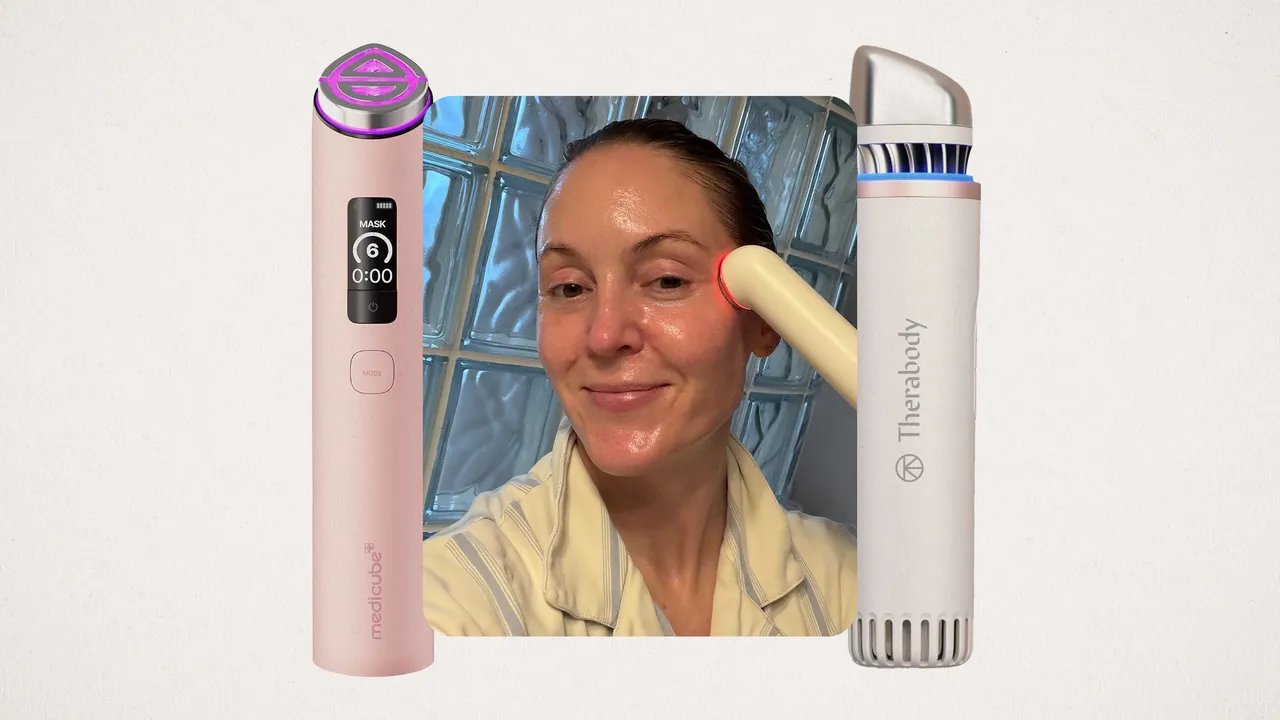
We tested facelifting devices by evaluating their types, experiences during use, and end results. Testers ranging in age from 30 to 60 tested about 12 devices and narrowed it down to six that were the best for lifting, sculpting, tightening and enhancing collagen. We evaluated their type, whether they have features like LED lights, red-light therapy, or microcurrent features. The best ones were user-friendly and quick, and they didn’t break our wallet. The ones that made the cut have left our skin smoother, more flexible and stronger than ever before, and have become everyday staples in our respective anti-aging skin care routines.
- Raquel Medina-CleghornEsthetician and Co-Founder Raquel New York
- Dr. Dendy EngelmanMD, a board-certified dermatologist at Schaefer Clinic Fifth Avenue
- Michelle Henry, MDA board-certified dermatologist in NYC
- Carmen Castilla, MDA board-certified dermatologist at New York Dermatology Group
- Maryam Safai, MD, FAADLA board-certified dermatologist and founder of ManeRx