Every November, a disturbing superstition resurfaces in South Korea’s entertainment industry. Known as the “November Curse”, this belief links the last month of the year with celebrity deaths, relationship breakdowns, legal disputes, and other high-profile events.
From the deaths of famous singers to unexpected celebrity separations and major K-pop scandals, many events have contributed to November’s reputation. However, there is no conclusive statistical evidence that this month is more dangerous for recreationists than any other time of year.
Instead, superstition raises questions about how media coverage, public memory, and the human tendency to recognize patterns can turn unrelated events into an enduring cultural narrative.
How did South Korea’s November curse start?
The November Curse is often thought to have originated from the deaths of influential Korean singers, although the superstition developed gradually rather than emerging from a single event.
Singer Cha Jong Rak, best remembered for his hit song “Love That’s Left with the Falling Leaves”, died on November 10, 1968 after collapsing on stage from a high fever, which reportedly turned into meningitis.
Subsequent losses strengthened the connection between November and the tragedy. Singer-songwriter Yoo Jae Ha died in a traffic collision on November 1, 1987, at the age of just 25. Exactly three years later, singer Kim Hyun Sik died of liver cirrhosis at the age of 32. The death of Kim Sung Jae, a member of hip-hop duo DEUX, in November 1995 added to the growing saga.
Although these deaths occurred under different circumstances, their proximity on the calendar helped establish a pattern that fans and media outlets would revisit in later years.
The term “November Curse” gained widespread attention in the early 2000s, when several controversies involving prominent entertainers occurred during consecutive Novembers.
Accidents and scandals promote superstition
November 2000 brought several major developments in South Korea’s entertainment industry. Kang Won Rae of dance duo Klone suffered serious injuries in a motorcycle accident, resulting in paraplegia. During the same month, actors Kim Seung Woo and Lee Mi Yeon announced their divorce, while HOT member Kangta was investigated in connection with a drunk driving incident.
The following years brought legal controversies involving celebrities, including illegal gambling cases and drug-related investigations. In November 2013, comedians Lee Soo Geun and Tak Jae Hoon were among several entertainers who were prosecuted over illegal sports gambling.
November 2014 brought another combination of controversy and loss when television personality Noh Hong Chul stepped away from regular broadcasting following a drunk driving incident. Veteran actress Kim Ja Ok also died in the same month after battling lung cancer.
These developments helped popularize the superstition, with each new incident becoming another example cited in discussions of the alleged bad luck of November.
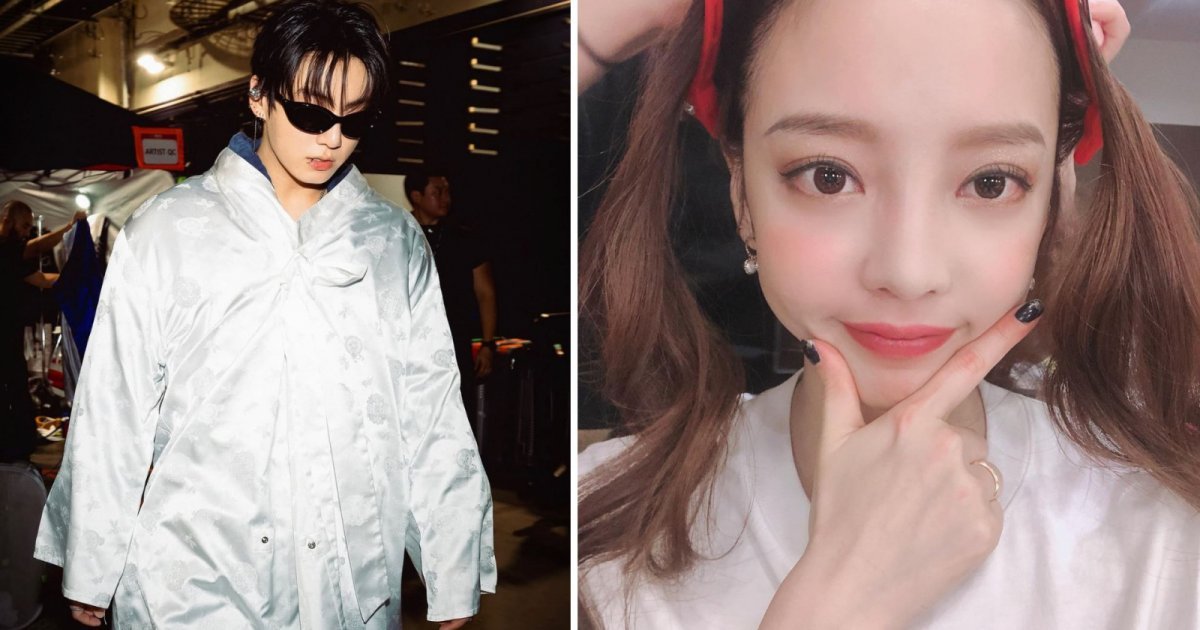
Jungkook, Goo Hara and the November 2019 controversy
November 2019 became one of the most frequently cited periods in discussions of the alleged curse.
Earlier in the month, BTS member Jungkook was questioned after a minor vehicle collision involving a taxi. The focus soon turned to the investigation of vote manipulation surrounding Mnet’s Produce 101 audition franchise. Producing director Ahn Joon Young and chief producer Kim Yong Bum were arrested, and the investigation eventually revealed manipulations in all four seasons.
On November 24, former KARA member Goo Hara was found dead at her residence. Her death shocked fans and reignited conversations about the pressures of celebrities, online harassment and mental health in the entertainment industry.
The combination of a major industry scandal and a tragic celebrity death made November 2019 a particularly painful period for Korean entertainment fans. However, there was no established connection other than the events occurring in the same month.
K-pop breakups and celebrity divorces add to the saga
In November 2022, singer Lee Seung Gi initiated legal action following the revelation that he had not received any music settlement revenue from his agency during his 18-year career. The controversy drew attention to artist compensation and transparency in the entertainment industry.
Later that month, singers Hyuna and Don announced their breakup after six years together.
November 2023 brought another concentration of relationship announcements. Broadcaster Ahn Hyun Mo and producer Rhymer announced their divorce, while actors Ryu Jun Yeol and Hyeri confirmed the end of their six-year relationship on November 13. The former couple became close after starring together in the popular drama Reply 1988.
Veteran singer Charlie Park, 24, indie singer-songwriter Nahi and father of Shinhwa member Junjin also died this month. Meanwhile, a high-profile narcotics investigation involving actor Lee Sun Kyun and rapper G-Dragon continues to garner attention. G-Dragon was later cleared of charges without being referred to prosecutors.
The number of developments reported during this period strengthened the superstition, even though the incidents involved different circumstances.
Song Jae Rim’s death and Newzines controversy in 2024
There were further developments in November 2024 that drew public attention to the alleged curse.
Actor Song Jae Rim died on November 12 at the age of 39, prompting fans and colleagues to pay tribute to him. Later that month, actor Jung Woo Sung became the focus of public discussion after admitting that he is the biological father of the child born to model Moon Ga Bi.
On November 28, Newgenes held an emergency press conference announcing the unilateral termination of its exclusive contract with ADOR. This announcement escalated the dispute between the group and its management company.
The combination of a celebrity death, a personal announcement, and a major K-pop contract dispute brought November once again to the center of South Korea’s entertainment news cycle.
What happened during November 2025?
The story continued until November 2025, when singer-actress Nana and her mother were involved in a horrific incident at their residence in Guri, Gyeonggi Province.
On November 15, an armed intruder allegedly entered his house. Nana and her mother overpowered the attacker but sustained injuries during the confrontation. Authorities later concluded that his actions involved legitimate self-defense. In October 2026, appellate judges upheld the criminal’s seven-year prison sentence.
The month also saw the deaths of model Kim Sung Chan, who died of non-Hodgkin lymphoma at the age of 35, and veteran comedian Nam Po Dong, who died at the age of 81.
On November 25, famous actor Lee Soon Jae passed away at the age of 91. She was widely remembered for her extensive television career, including roles in Hur Jun and High Kick!
These events have once again fueled discussion of superstition, although their occurrence during November does not establish any connection between them.
Is the November Curse real? Here’s what the evidence suggests
Despite the long list of incidents involving the superstition, there is no conclusive evidence that November consistently brings more celebrity controversies than other months.
Major entertainment scandals occur throughout the year. For example, the Burning Sun scandal unfolded between January and March 2019. September 2010 also saw several major controversies, including draft-evasion allegations involving rapper MC Mong, overseas gambling allegations against Shin Jung Hwan, and credential-fabrication claims targeting hip-hop artist Tablo.
In an empirical survey of entertainment events between 2008 and 2010, discussed in a television magazine program, March, September and December were identified as the months with the highest concentration of breaking scandals.
Media analysts have also suggested historical reasons for November’s reputation. In past decades, South Korean sports newspapers devoted considerable space to entertainment coverage. When the domestic baseball and football seasons ended in November, less sports reporting made more room for celebrity features and investigative stories.
Another explanation is that law enforcement agencies may announce major investigative results at the end of the year as part of annual performance evaluations. Such timing may contribute to the perception that November is unusually eventful.
This superstition is also similar to the Western music industry’s “27 Club”, which groups musicians such as Jimi Hendrix, Jim Morrison, Kurt Cobain, and Amy Winehouse because they all died at the age of 27. Although these deaths are real, this group does not establish a common cause or supernatural pattern.
How does media coverage keep the November Curse alive?
Confirmation bias and pattern recognition may help explain why the November Curse persists. When multiple tragedies or controversies occur simultaneously, people naturally look for connections. Once a pattern becomes familiar, new events supporting it are given greater attention, while events occurring during other months may be ignored.
As November approaches, annual retrospectives reinforce this effect by revisiting past events, creating a framework through which audiences interpret new developments.
However, critics argue that grouping celebrity deaths, personal struggles and relationship breakdowns under the label of curse risks turning deeply painful experiences into entertainment banalities.
Ultimately, South Korea’s November Curse is better understood as a media-driven cultural legend than an established phenomenon. The tragedies and controversies associated with it are real, but their timing does not prove that November is responsible for it.
As the annual discussion returns, many fans share the same hope: that the month passes peacefully, without adding more tragedies to the already painful list of memories.